Digital Marketing
Introduction to Digital Marketing
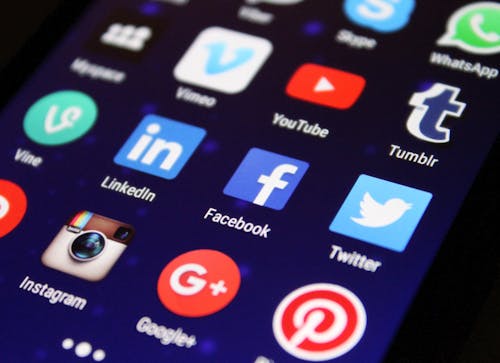
In today’s fast-paced digital era, traditional marketing methods are no longer enough to meet evolving customer expectations and business demands. This is where Digital Marketing (DM) and Marketing Automation step in, offering innovative and scalable ways to reach, engage, and retain customers. Digital marketing is the component of marketing that uses the Internet and online-based digital technologies such as desktop computer, mobile phones and other digital media and platforms to promote products and services. It has significantly transformed the way brands and businesses utilize technology for marketing since the 1990s and 2000s. As digital platform became increasingly incorporated into marketing plans and everyday life, and as people increasingly used digital devices instead of visiting physical shops, digital marketing campaigns have become prevalent, employing combinations of methods. Some of these methods include: search engine optimazition (SEO), search engine marketing (SEM), content marketing, influencer marketing, content automation, campaign marketing, data-driven marketing, e-commerce marketing, social media marketing, social media optimization, e-mail direct marketing, digital advertising, e-books, and optical disks and games. Digital marketing extends to non-Internet channels that provide digital media, such as television, mobile phones (SMS and MMS), callbacks, and on-hold mobile ringtones.
What is Digital Marketing?
Digital Marketing (DM) refers to the use of digital channels like websites, social media platforms, search engines, email, and mobile apps to promote products and services. It’s a dynamic field that integrates creativity with data, enabling brands to communicate directly with their audience in real time.

Meaning, Definition & Concept of Digital Marketing
At its core, Digital Marketing is about leveraging the internet and online-based technologies to connect with potential customers. It encompasses a wide range of tactics including content marketing, SEO, SEM, social media marketing, and email marketing.
Why Do We Need Digital Marketing?
-
Cost-Effective: Reach a wider audience at a lower cost than traditional methods.
-
Measurable Results: Analytics tools help track ROI and performance.
-
Global Reach: Break geographic barriers with online campaigns.
-
Personalization: Tailor content and offers based on user behavior.

Scope of Digital Marketing
Digital marketing spans multiple dimensions:
-
B2B and B2C marketing
-
Influencer marketing
-
Affiliate and performance marketing
-
Social media campaigns
-
Video and content marketing
-
AI and chatbots integration
The career opportunities are immense—from content creation to data analytics, digital strategy, and campaign management.

A Brief History of Digital Marketing
Digital marketing has evolved from simple email campaigns in the 1990s to today's highly targeted and data-driven strategies. With the rise of smartphones, social platforms, and AI, the industry has grown exponentially, becoming an essential pillar of business success.
Approaches to Digital Marketing
-
Inbound Marketing: Attracting customers via valuable content.
-
Outbound Marketing: Reaching out directly via emails, ads, or calls.
-
Performance-Based Marketing: Paying only for results (e.g., clicks or leads).
-
Omni-channel Marketing: Consistent messaging across multiple platforms.

Examples of Good Practices in Digital Marketing
-
Nike: Interactive mobile apps and social storytelling.
-
Zomato: Engaging and humorous content marketing.
-
Amazon: Data-driven personalized recommendations.
-
Spotify: Leveraging user data for tailored playlists and ads.
What is Marketing Automation?
Marketing Automation involves using software tools to automate repetitive marketing tasks such as emails, social media posting, ad campaigns, and lead nurturing. It enhances efficiency and helps in delivering a personalized customer journey.

Advantages of Marketing Automation
-
Saves time and resources
-
Improves campaign performance
-
Enhances lead generation and conversion
-
Provides deep customer insights
-
Ensures consistent communication
Key Marketing Automation Software
-
CRM (Customer Relationship Management): Helps manage interactions with current and potential customers. (e.g., HubSpot, Zoho)
-
Salesforce: A powerful platform combining CRM with automation features for sales and marketing teams.
-
Analytics Tools: Google Analytics, SEMrush, etc., for tracking performance and user behavior.

Customer Experience (CX)
Customer experience is the sum of all interactions a customer has with a brand. Marketing automation helps improve CX by:
-
Personalizing communication
-
Sending timely updates
-
Providing relevant offers
-
Tracking satisfaction and engagement levels
How Does Marketing Automation Help Marketers?
-
Lead Scoring: Identify and prioritize high-quality leads.
-
Campaign Management: Schedule and manage multi-channel campaigns effortlessly.
-
Behavior Tracking: Understand how users interact with your brand.
-
Performance Reporting: Analyze campaign effectiveness in real time.

Popular Marketing Automation Tools
-
Mailchimp – Email automation and campaign management
-
ActiveCampaign – CRM, automation, and messaging
-
HubSpot – All-in-one inbound marketing platform
-
Marketo – B2B marketing automation by Adobe
-
Buffer/Hootsuite – Social media scheduling tools

Conclusion
Digital Marketing and Marketing Automation are more than just trends—they're necessities in today’s competitive landscape. Whether you're a startup or an established enterprise, understanding and implementing these strategies will not only drive growth but also enhance customer satisfaction.
Thank You for Reading!
I'm truly appreciate you taking the time to explore our blog on
Digital Marketing and Marketing Automation. We hope it gave you valuable insights and practical knowledge to
empower your marketing journey.
~Bharat Bhushan Thakur
Nice articles and your information valuable and good articles thanks for the sharing information Digital Marketing
ReplyDelete